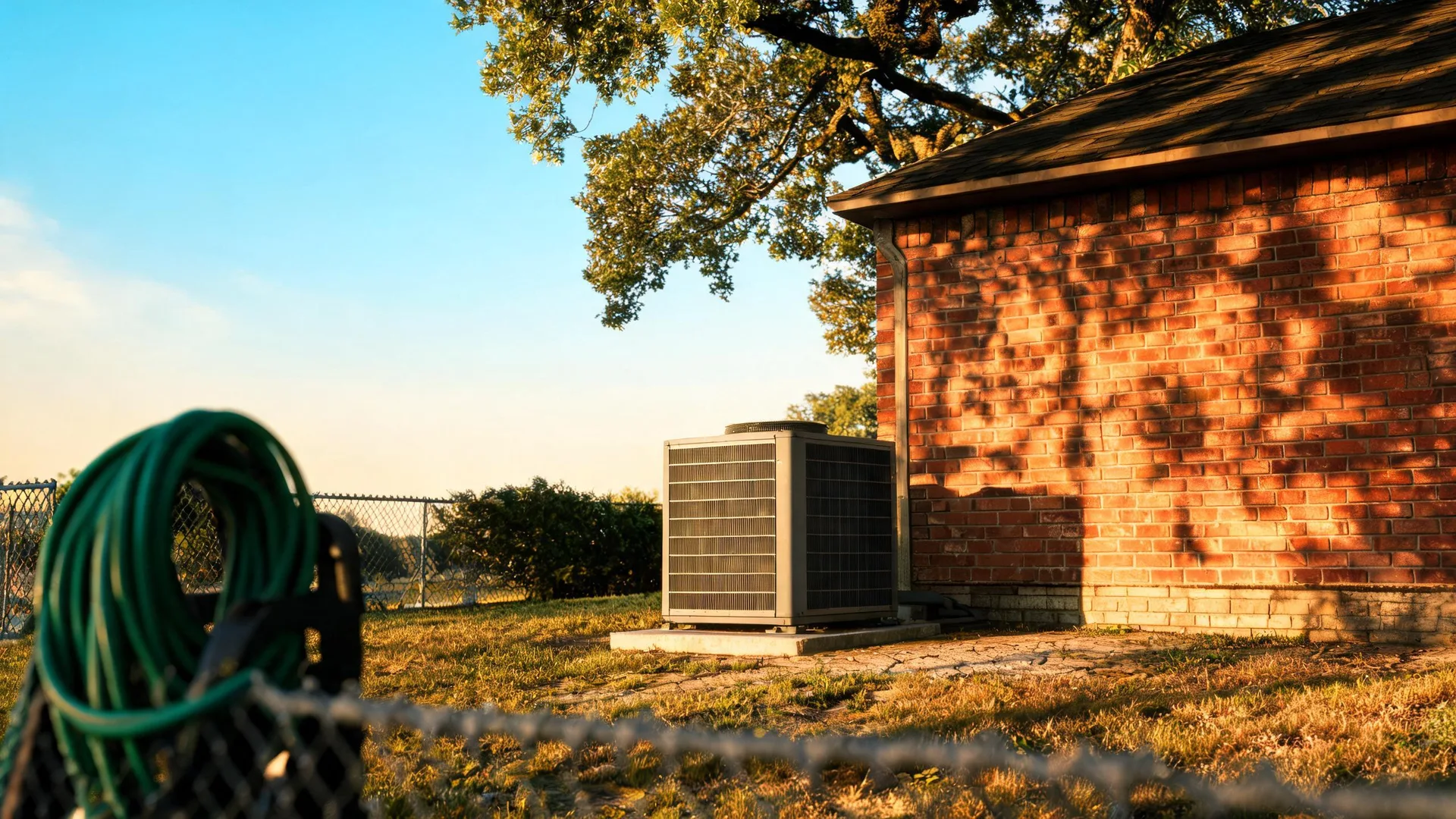
Electric is already the norm here
Electricity heats 68.3% of occupied homes in Abbeville County. A heat pump fits that setup without asking for a new fuel line or a gas account.
Takes about a minute. No obligation.
Electricity heats 68.3% of occupied homes in Abbeville County. A heat pump fits that setup without asking for a new fuel line or a gas account.
If your current system runs on electric heat strips or an older heat pump, the wiring and layout already match what a new heat pump needs. The job is a swap, not a rebuild.
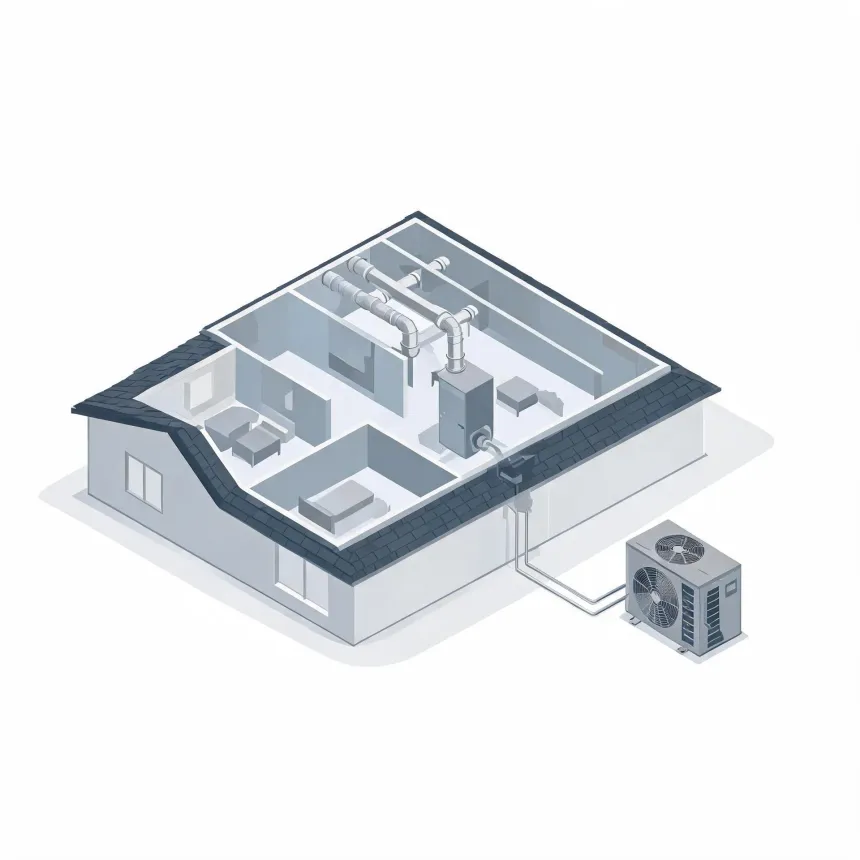
NOAA nClimDiv, 1991–2020 normals
October is the last month before heat season starts in Abbeville County.
A heat pump installed in October is already broken in and running before the first cold night calls for it.



Abbeville County sees its share of wind and the occasional tornado, but none of that changes what a heat pump needs to be. A standard outdoor unit is built to handle wind and hail sitting right where it goes. What's worth knowing is that a lot of South Carolina households lost power for a full day or more last year, and a heat pump depends on electricity to run at all. That's a question about backup power, not about sizing the system bigger or picking a higher efficiency rating. The right size for this job is the one that matches the house.
That's the federal minimum for split-system heat pumps built from 2023 on, and it sets the floor for what a contractor can install in Abbeville County. A federal tax credit is available toward a qualifying heat pump, worth knowing before you compare options.
Find a contractor
This machine will run on and off most days of the year, not just a handful of extreme weeks. Half the houses in Abbeville County were built in 1980 or earlier, half in 1980 or later, so there's no single kind of home to design around. Mobile homes make up close to a quarter of the housing stock. None of that points toward a bigger unit or a higher efficiency rating than the federal minimum. A heat pump sized to the house holds up fine under the hours this climate asks of it.
SEER2 rates how well the system cools across a full season of on and off cycles, and HSPF2 rates the same thing for heating. Both numbers assume the system is charged right and moving the air it was designed to move. A higher rating means the compressor and fan are doing the job using less electricity, not that the unit heats or cools faster.
A heat pump only hits its rated number if it's sized to the house and installed with the correct airflow and refrigerant charge. An oversized unit will short cycle no matter how high its rating is, and that wears parts out faster than a smaller, correctly sized one. The duct sizing, the charge, and the airflow decide how the system actually runs. The label is a starting point, not the answer.
Whatever is coming out gets disconnected and removed, and that includes the line set and the pad it sat on if either one won't work with the new equipment. A heat pump uses the same refrigerant lines as the system it replaces only if those lines are the right size and free of contamination, so a contractor checks that before reusing anything. Old refrigerant gets recovered, not vented, and that's true no matter what's in the lines. If the new unit uses a different refrigerant than the old one, which is common when the old system is many years old, the lines get flushed or swapped rather than mixed. The electrical whip and disconnect box usually stay if they're rated for the new unit's draw, and get swapped if they're not. None of this is optional work tacked onto the job. It's what makes the new equipment start its life clean instead of inheriting problems from the one it replaced.
Install day starts with the old unit coming apart, not the new one going in. The indoor coil, the outdoor unit, the thermostat, all of it comes out before anything new goes on the wall or the pad. Once the lines are open, the work is airflow and refrigerant, not just bolting on equipment. A tech checks the ductwork can actually move the air the new unit is rated for, because a heat pump pushes a different volume and temperature of air than a furnace or straight electric coils did. The line set gets pressure tested for leaks before any refrigerant goes in, since a slow leak now means a warranty call later. Once the outdoor unit is set, charged, and the airflow is confirmed at the vents, the system runs through its paces in both heating and cooling before anyone calls it finished.